Orthopaedic Trauma, Malunion,
Non-union and Limb Deformity
With national and international experience in Trauma, Malunion, Non-Union and limb deformity, Peter has experience coordinating a care package combining individualised surgical care.
- Orthopaedic injuries can affect bones, joints and ligaments. Treatments vary and a holistic approach to the care is important.
What is a Fracture?
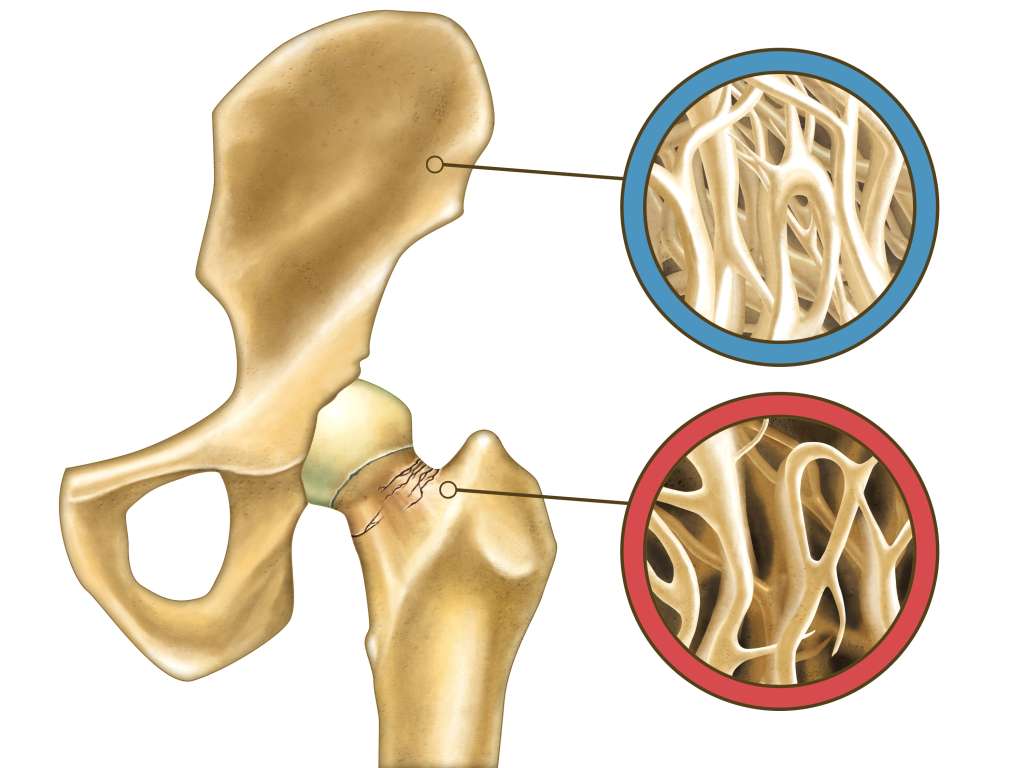
- Fractures are the same as a “broken bones” and often occur due to a high energy injuries or fall, however sometimes they can occur through minor incidents if the bone has been weakened for some reason such as osteoporosis or stress fractures can occur from repetitive trauma.
Healing of Bones:
- The aim when treating a fracture is to reduce the fracture, hold it in in the correct position and allow rehabilitation.
- Bones often can heal without surgical fixation with the use of braces or casts.
- Sometimes to ensure the fracture can heal in an optimal position or allow early mobilisation surgical fixation is required.
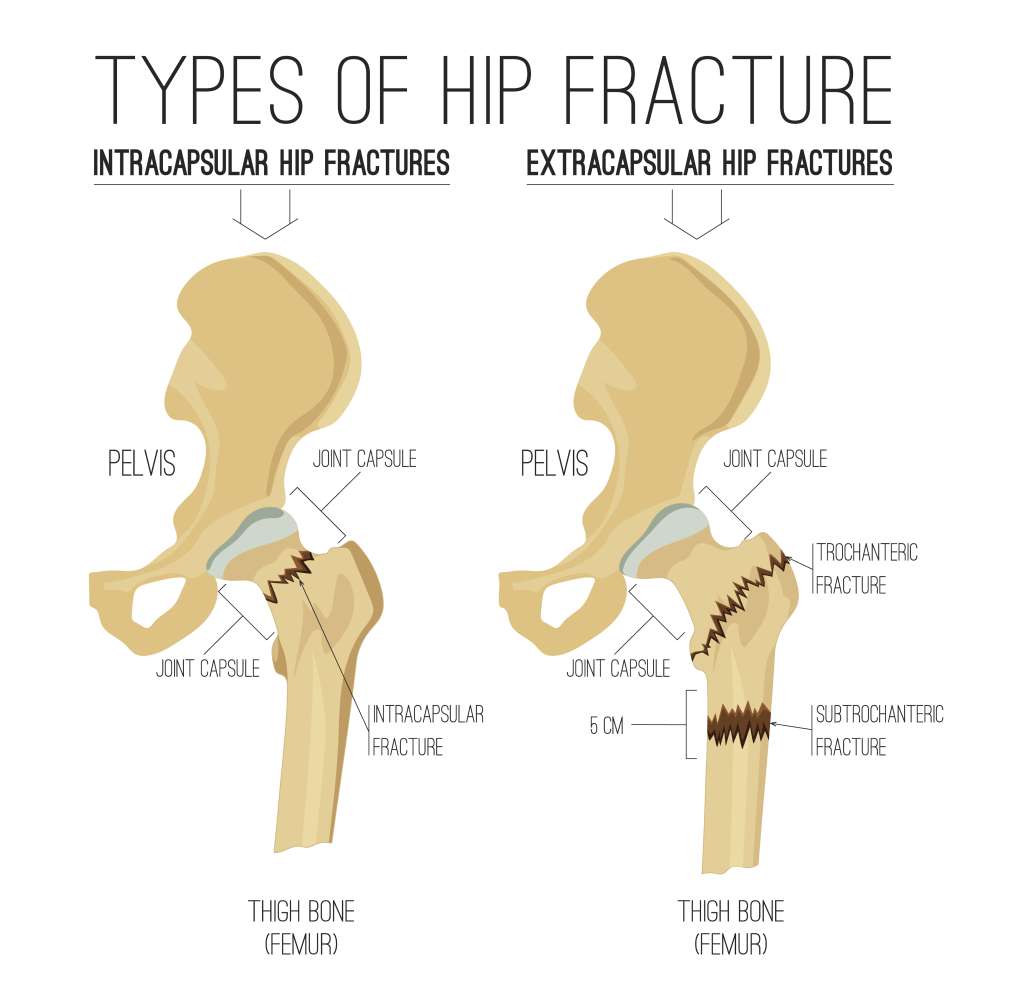
- Fractures of the clavicle, forearm, hip, knee, ankle and foot all require an individualised approach to their treatment plan and depend on injury and patient factors.
Malunion and Non-union:
- Sometimes fractures can go on to a malunion (heal in a deformed position) or non-union (fail to heal). These need a holistic approach to treatment to ensure all factors that may have resulted in the malunion or non-union are optimised and infection has been excluded.
Limb Deformity:
- Limb deformities may develop after injuries or illnesses, leading to challenges with mobility and quality of life. A holistic approach to these cases is essential often needing a multidisciplinary approach to ensure the health of the patient is optimised, along with any specific surgical and non-surgical managements to the specific bone. The aim of any treatment is to help regain function and reduce pain.